🌳 Kadamba Tree – Sacred Bloom of Myth, Love, and Devotion
Love the fame behind this one and the way Kadamba earned it’s name and reputation throughout the History.
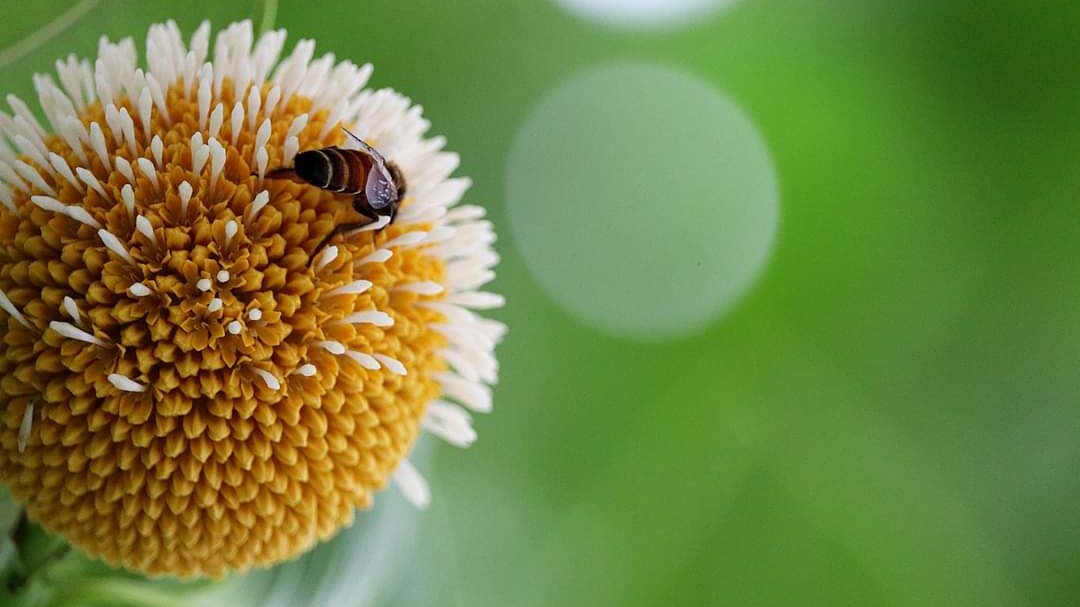
The Kadamba tree (scientific name: Neolamarckia cadamba) is more than just a majestic tropical tree native to India and Southeast Asia. With its fragrant, globe-shaped flowers and deep roots in Indian mythology, literature, and devotion, it is a tree where history blossoms with the divine.
📖 Scientific and Botanical Details
- Botanical Name: Neolamarckia cadamba (formerly Anthocephalus cadamba)
- Family: Rubiaceae
- Common Names: Kadamba (कदंब), Burflower Tree, Laran (in Malay), Leichhardt Pine (in Australia)
- Native To: India, Bangladesh, Nepal, Sri Lanka, Southeast Asia
- Flowers: Round, ball-shaped golden-yellow flowers with a strong, sweet fragrance
- Height: Up to 45 meters tall
- Uses: Timber, paper, Ayurvedic medicine, shade tree, spiritual rituals
🕉️ Mythological & Religious Significance
🛕 1. Kadamba & Lord Krishna (Hinduism)
The Kadamba tree is deeply associated with Lord Krishna, especially in Vrindavan, where it’s believed he performed his divine pastimes (leelas) under its shade.
- Kaliya Mardan: Krishna is said to have jumped into the Yamuna River from a Kadamba tree to subdue the serpent Kaliya.
- The tree often appears in paintings of Raas Leela, where the Gopis and Krishna dance joyfully under Kadamba blossoms.
Symbolism: It represents joy, divine love, and the sacred playfulness of Krishna.
🐘 2. Kadamba & Goddess Durga
In parts of South India, especially Tamil Nadu and Karnataka, the Kadamba tree is considered sacred to Goddess Durga. In some legends, she is referred to as “Kadambari” — the one who resides under or is associated with the Kadamba tree.
- Some ancient temples have Kadamba groves or a Kadamba tree in the sanctum courtyard as a symbol of feminine strength and fertility.
👑 3. Kadamba & The Kadamba Dynasty
A powerful kingdom known as the Kadamba Dynasty ruled parts of Karnataka and Goa from the 4th to 6th century CE.
- They are believed to have taken the name from the sacred tree, considering it auspicious and royal.
- Their emblem included the Kadamba blossom, representing power and prosperity.
✍️ Cultural & Literary Mentions
- Kalidasa, the great Sanskrit poet, mentioned the Kadamba tree in Meghaduta and other works as a symbol of monsoon romance.
- The tree is known to bloom with the first rains, and hence, represents love awakened by nature.
- In Tamil Sangam literature, the Kadamba is praised for its golden flowers, sweet scent, and as a meeting place for lovers.
🌼 Poem: “Whispers Beneath the Kadamba”
Golden suns in ball-shaped bloom,
Awake the skies with monsoon’s perfume.
Where Krishna danced and maidens sang,
The Kadamba stood as love’s soft rang.
Beneath its shade, the world grew still,
Touched by grace and timeless will.
🌳 Spiritual and Medicinal Aspects
- In Ayurveda, parts of the Kadamba tree are used for treating:
- Fever
- Skin diseases
- Digestive issues
- The flowers are used in pujas (rituals), especially in the Shravan month.
- It is believed to attract positive energy and harmony, often planted near temples and homes.
🌿 Symbolism in Modern Times
- Love & Devotion: Still offered in Krishna temples during Janmashtami
- Cultural Symbol: In dances, folk songs, and art
- Environmental Importance: Fast-growing, provides shade, attracts bees and birds
📌 Final Thoughts
The Kadamba is not just a tree — it’s a living story. From sheltering divine leelas of Krishna to symbolizing love in poetry, from royal emblems to temple courtyards, it continues to stand tall as a symbol of sacred memory, blooming spirit, and cultural richness.